Table of Contents
Clients may not also be aware that their current symptoms are attached to previous terrible experiences. As a specialist, identifying these refined indicators enables you to offer appropriate support and guide your customers towards recovery. Unsolved trauma can considerably affect a customer's progress in therapy, developing challenges that hinder development and recovery.
CBT help clients in changing trauma-related ideas and ideas that add to their distress. Through cognitive restructuring, clients discover to determine and test purposeless thoughts, changing them with more balanced and practical viewpoints. Mindfulness and body recognition techniques assist customers address physical trauma feedbacks by raising their ability to regulate their nerves.
Certain treatments like eye activity desensitization and reprocessing (EMDR) and trauma-focused cognitive behavioral treatment (TF-CBT) directly address trauma memories and their linked feelings. These methods aid customers process terrible experiences in a risk-free and controlled way, reducing the intensity of their injury reactions over time. When collaborating with customers that have experienced trauma, it's vital to rate the therapeutic procedure according to their specific needs and preparedness.
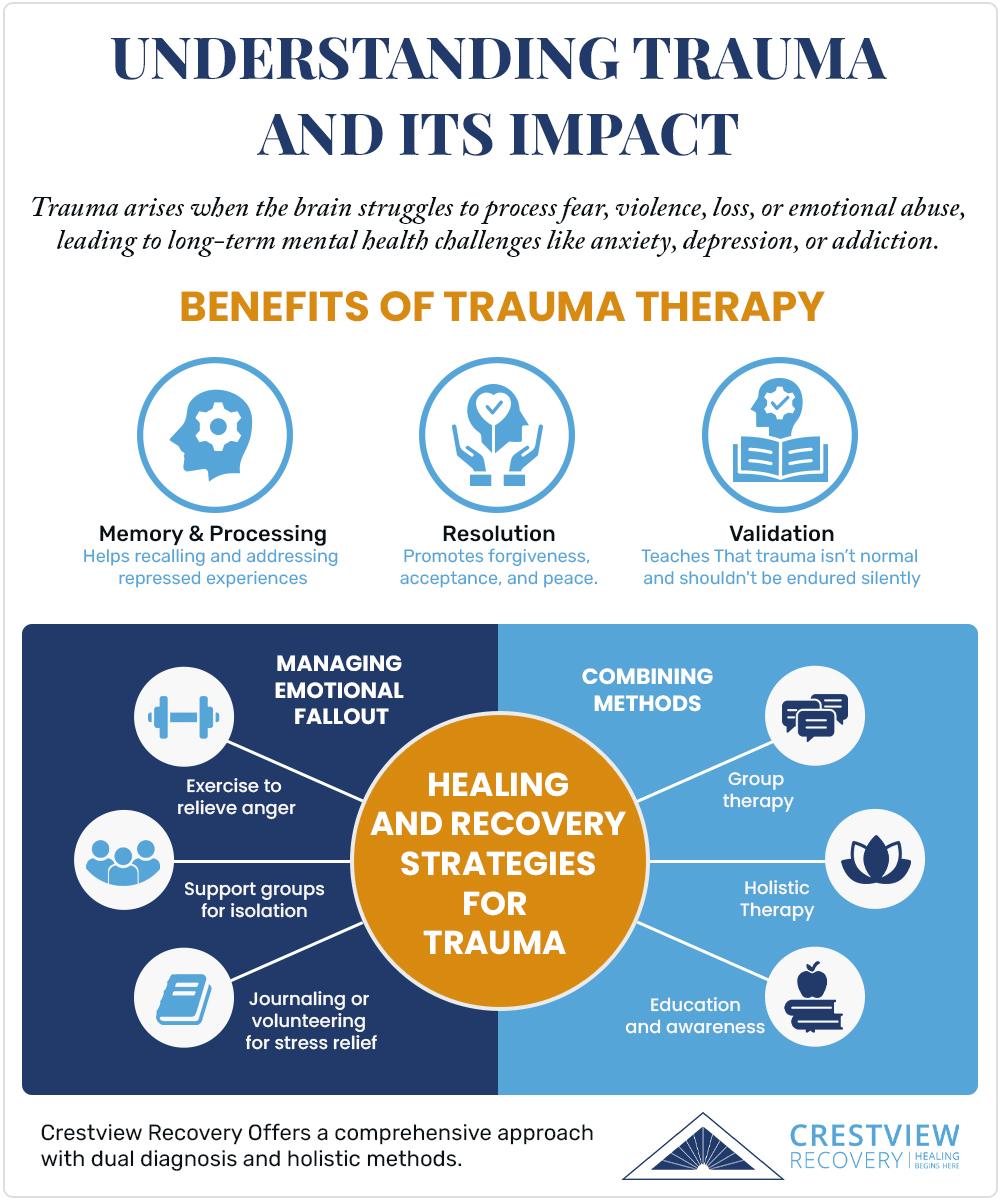
Developing a safe, predictable, and helpful atmosphere is essential for customers to really feel comfy exploring their injury and establishing new coping techniques. This includes developing clear borders, keeping consistency in sessions, and offering a non-judgmental room where clients feel heard and verified. The therapist plays a crucial duty in creating security and count on, which are key for recovery trauma.
Recognizing Sensory Triggers as an Underlying Factor
Trauma survivors often have problem with feelings of shame, shame, or self-blame pertaining to their trauma. Specialists can help minimize these feelings by: Identifying that injury reactions are normal reactions to uncommon events. Enhancing that the customer is not at fault for their distressing experiences. Concentrating on the client's ability to make it through and seek aid.
Over time, this exposure can deeply impact a therapist's worldview, spirituality, and feeling of self. This includes: Normal exercise, reflection, hobbies, and leisure techniques can assist manage stress and anxiety degrees. Peer assistance teams, supervision, and individual treatment sessions supply possibilities to process emotional impacts and preserve wellness.
Why Anxiety Lodges in the Soma
Devoting time to individual partnerships, passions, and self-care activities outside of job is very important for total health. Specialists need to additionally remain familiar with their own emotional responses and how vicarious injury could influence their method. This suggests acknowledging typical signs such as despair, temper, irritability, trouble focusing, adverse ideas, social withdrawal, tiredness, and physical problems.
Using culturally receptive services that attend to historical injury and relocate beyond stereotypes. Specialists can make use of various strategies to aid clients handle their trauma reactions, such as grounding workouts, cognitive behavior modification, somatic techniques, and trauma-focused treatments like EMDR and TF-CBT. Pacing the restorative process according to the client's preparedness and maintaining a predictable, helpful environment are essential for avoiding re-traumatization and promoting a feeling of control.
You may experience: Persistent frustrations or migrainesMuscle stress, specifically in the neck and shouldersDigestive problems (like IBS or nausea or vomiting)Inexplicable persistent pain or fatigueIf physicians have informed you your signs and symptoms are "simply tension," yet absolutely nothing appears to assist, your body could be keeping injury in means you didn't understand. If any one of this resonates, therapy can aid you understand, process, and heal.
It's a wonderful concern, and one worth exploring deeply. While numerous of us make use of the words "trauma" and "stress and anxiety" as if they suggest the same thing in everyday conversation, there's really a lot more to comprehend concerning exactly how trauma uniquely influences our psychological wellness.
Understanding the Importance of Detailed Psychological Assessment
Think of injury responses as your mind and body's method of securing you when something occurs that really feels too big to deal with. When we experience something frustrating or deeply traumatic, our brain kicks into survival mode.
Trauma reactions can appear in daily situations or throughout treatment sessions. Customers might end up being quickly set off, closed down mentally, or respond highly to certain topics.
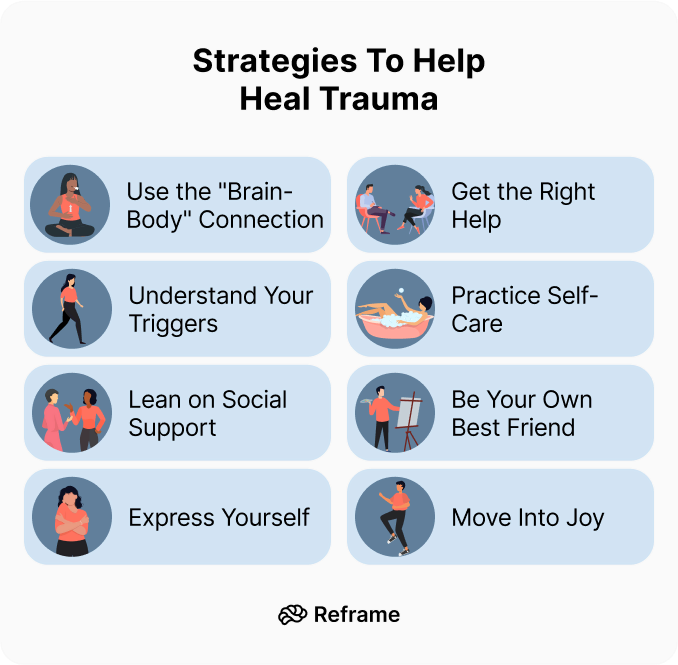
Customers could not also understand that their existing symptoms are attached to past traumatic experiences. As a therapist, acknowledging these refined signs permits you to offer proper assistance and guide your customers towards recovery. Unsolved injury can significantly impact a customer's progression in treatment, developing barriers that hinder development and recovery.
CBT help clients in altering trauma-related thoughts and beliefs that add to their distress. Through cognitive restructuring, customers learn to identify and challenge unhelpful ideas, replacing them with more well balanced and practical viewpoints. Mindfulness and body awareness practices aid clients attend to physical trauma feedbacks by raising their ability to manage their nerves.
The Link Between Camouflaging and Chronic Stress
Details therapies like eye movement desensitization and reprocessing (EMDR) and trauma-focused cognitive behavior treatment (TF-CBT) straight address injury memories and their linked emotions. These methods aid clients refine traumatic experiences in a secure and regulated manner, minimizing the strength of their trauma reactions over time. When collaborating with clients that have experienced trauma, it is essential to speed the healing procedure according to their specific requirements and preparedness.
Developing a secure, foreseeable, and encouraging environment is vital for clients to really feel comfy exploring their injury and creating brand-new coping strategies. This entails establishing clear limits, preserving consistency in sessions, and providing a non-judgmental room where clients feel listened to and verified. The specialist plays an important duty in creating safety and depend on, which are key for recovery injury.

Navigation
Latest Posts
Investing in EMDR Treatment
Somatic Approaches to Treating Traumatic Memories and Disordered Eating Through Accelerated Resolution Therapy
Exploratory Treatment in Obsessive-Compulsive Disorder